

August Camps in Switzerland
We’re big fans of August in Switzerland for late-summer camps. Warm valley days and long daylight boost activity windows. Full lift service and peak wildflower displays extend options for alpine routes and water play. Afternoon convective thunderstorms appear frequently, which forces early alpine starts, modular daily plans with sheltered alternatives, layered packing and early booking to lock in popular weeks.
 Watch on YouTube
Quick August Snapshot for Swiss Summer Camps
We, at the Young Explorers Club, note that August offers longer daylight and warmer valley temperatures than June or September, but it also brings a higher risk of afternoon thunderstorms. I frame August as a practical compromise: extended windows for alpine routes and water play, paired with afternoons that often demand flexible programming and safe sheltering plans.
Mornings are prime for summit attempts, via ferrata and ridge hikes; afternoons are best for lake swims, low-elevation activities, or indoor skills sessions when forecasts show thunder. I recommend planning high-exertion activities before midday, keeping alternate indoor or sheltered options on standby, and always checking mountain forecasts twice daily.
At a glance (practical facts and what we run)
- Typical session lengths: 1–4 week sessions, with 1-week and 2-week options most common.
- Typical target ages: 7–17 years, often split into 6–8, 9–12, and 13–17 brackets.
- Typical group sizes / capacity: small camps 20–50 campers; medium 50–150; large 150–300+.
- Key short facts: August in Switzerland is ideal for late summer camps with warm valley temps, extended daylight, and variable afternoon thunderstorms.
- Program rhythm I use: early alpine start → midday rest or water activity → late-afternoon skills or sheltered sessions when storms appear.
For packing and gear choices I point families to our concise checklist; it helps match kit to the late-summer weather pattern and activity mix: What to pack.
Operational tips I follow: keep daily plans modular, staff extra certified leaders for rapid weather-driven group moves, and schedule high-altitude days on verified stable-weather windows. That approach maximizes warm-weather opportunities while reducing risk from sudden thunder cells.

Late-Summer Advantages, Weather & Packing Considerations
August brings clear advantages for summer camp. We, at the Youth Explorers Club, count on warm valley days — often the warmest month in many low-lying areas — and peak wildflower and pasture displays that make hikes spectacular. High-altitude lifts and public transport usually run on full schedules, so we can reach alpine meadows and ridgelines with minimal fuss. Expect peak-season pricing at popular sites; we recommend booking activities and accommodation early to lock availability and rates.
Weather patterns and typical ranges
Afternoon convective thunderstorms are common in the mountains during August, so afternoon storms are a normal part of the plan. August also ranks among the wetter months, with average monthly precipitation in many lowland locations around 60–120 mm. Daylight is long: sunrise often falls between about 5:30–6:00 and sunset between about 20:30–21:30 depending on region. Verify current forecasts before each outing (MeteoSwiss recommended).
Typical temperature ranges you can expect:
- Swiss Plateau / lowlands (Zurich, Geneva, Lucerne): daytime highs roughly 22–26°C; nights near 12–16°C.
- Alpine valleys (Interlaken, Zermatt valley floor): daytime highs around 20–25°C.
- High alpine (2,000–3,000 m): daytime roughly 5–15°C; nights can drop near 0°C at the highest elevations.
Remember the lapse rate: temperature typically falls about 6.5°C per 1,000 m of ascent. Pack for warm valley afternoons and cool alpine evenings, and plan activities with storms in mind — aim for early starts and lower routes in the afternoons when thunder risk rises.
Packing checklist and practical tips
Bring layers and waterproofs first; here are essentials we always include for August trips:
- Lightweight base layers and quick-dry shirts for hot valley days.
- Packable insulated mid-layer (fleece or light down) for evenings above treeline.
- Waterproof, breathable shell jacket and rain trousers.
- Sturdy hiking boots and camp shoes; waterproofing matters.
- Warm hat and thin gloves — nights at 2,000–3,000 m can approach freezing.
- Sun protection: high-SPF sunscreen, sunglasses, and a brimmed hat.
- Sleep system adjustments: add a liner or warmer sleeping bag for high-altitude overnight trips.
- Small personal first-aid kit with blister care and waterproof bandages.
- Waterproof pack cover and dry sacks for electronics and clothing.
- Reusable water bottle and water-treatment option if you’ll refill from streams.
- Label items clearly; peak season means higher turnover and lost-item risk.
We arrange schedules to take advantage of full lift service and long daylight while avoiding typical afternoon storms. For a complete pre-trip planner and camp-specific tips see How to prepare.

Top Regions, Camp Types and How to Get There
Regions and recommended ages
Here are the top Swiss regions we use for August camps, with the age groups and why each region fits specific activities.
-
Bernese Oberland (Interlaken, Grindelwald) — Ideal for multi-activity camps for ages 9–17. We run climbing, lake sessions, via ferrata and long-day hikes here. The valley offers fast access to alpine terrain and water sports in one package.
-
Zermatt / Saas-Fee (Valais) — Best for high-alpine experiences and glacier access; recommended for ages 12+ when glacier excursions are included. We teach mountaineering basics, crevasse-awareness, and glacier-safe route planning.
-
Lake Geneva (Montreux, Vevey) — Suited for kids 7–15. We mix water sports, cultural outings and a French-language environment that supports language immersion. Camps here are great for younger participants who want varied, lower-elevation activities.
-
Engadin / St. Moritz — For ages 10+. We focus on high-elevation hiking, mountain biking and calmer alpine days that build endurance without constant technical exposure.
-
Central Switzerland (Lucerne, Engelberg) — Family-friendly camps for ages 7–14 and ideal for shorter trips because of proximity to Zurich. We offer easy-access hikes, lake activities and day trips that suit first-time campers.
Camp formats and travel logistics
We offer several camp formats to match experience and family needs. Day camps work well for local families or short stays and focus on single-day skills. Residential chalet camps give a full-immersion experience with meals, evening programming and multi-day outings. Boarding-school style programs combine language immersion with activities; those are excellent if you want both language gains and outdoor skills. Finally, specialized STEM, arts or outdoor-leadership tracks run as week-long modules for focused skill development.
Travel planning is straightforward with Switzerland’s hubs and rail network. Major international airports are Zurich ZRH, Geneva GVA and Basel BSL. We advise planning arrivals on the morning or early afternoon flights so transfers run smoothly. SBB trains connect to almost every camp hub; typical transfer times you should expect include:
-
Zurich → Interlaken at about 2–2.5 hours.
-
Geneva → Montreux at about 1–1.5 hours.
We arrange station pickups when needed, but confirm platform and luggage details ahead of time.
Ticketing options worth considering are the Swiss Travel Pass (3, 4, 8 or 15 days) and the Half Fare Card. We often recommend a Short Pass plus point-to-point tickets for families staying a single week; the Half Fare Card reduces costs for longer multi-leg transfers. Pack compact luggage with layered clothing for late-summer alpine swings, and label everything — lost items get returned much faster if they’re clearly marked. If you need a full packing checklist or tips on preparing, see our guide on how to prepare for summer camp in Switzerland for 2026.

Activities, Age Limits and Safety/Staffing Standards
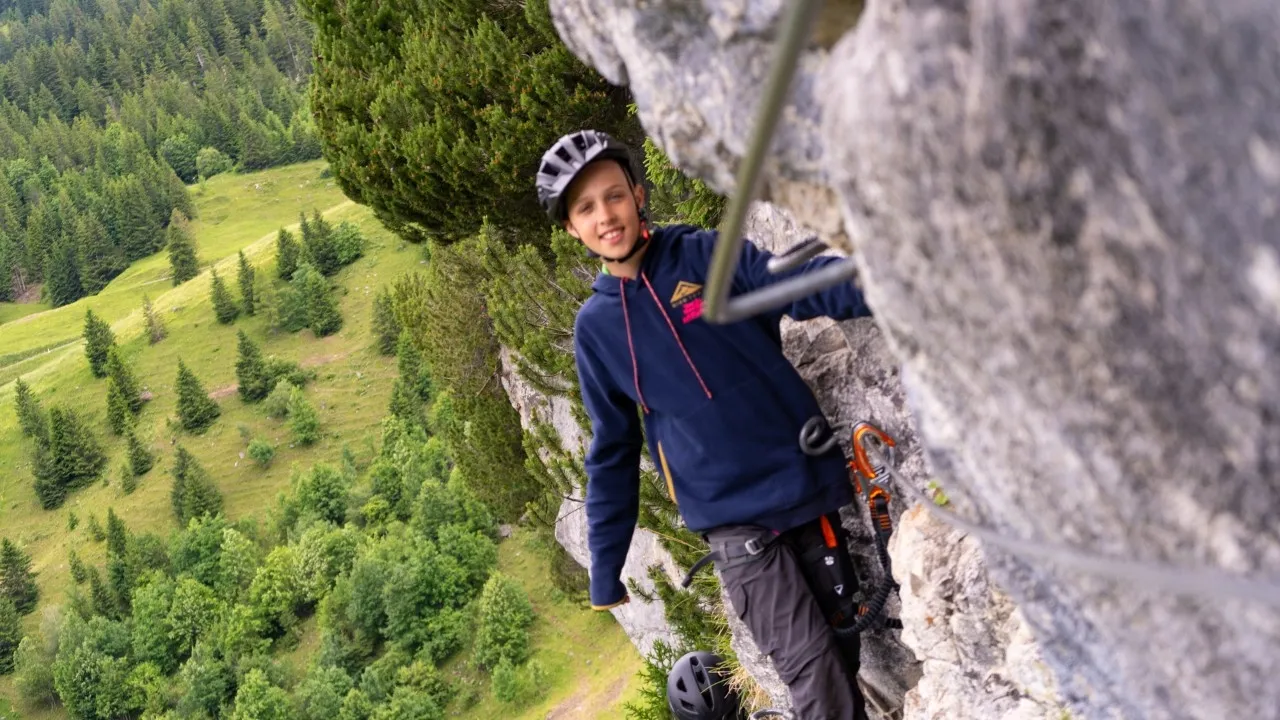
We run a wide program of late-summer activities that match ages and skills. Our routes and sessions follow established grading so parents and teens know what to expect. Hiking uses the T1–T6 trail scale so we can assign graded routes for mixed groups. Via ferrata follows K1–K4 ratings; we restrict routes by age, height and experience and require harnesses and energy-absorbing lanyards on exposed sections.
We staff technical activities with certified instructors and keep group sizes small. Climbing walls, high ropes and ziplines are always supervised by qualified staff holding climbing instructor certifications such as UIAA/SAC. Water sessions include canoeing, sailing and supervised swims; we require water-safety or lifeguard qualifications for those leaders. Tandem paragliding is offered to older teens only, typically 13+ for tandem flights.
We maintain clear counselor-to-camper ratios based on age and intensity. Typical ratios range from 1:6–1:12, with younger campers often at 1:6–1:8 and teens at 1:10–1:12. We require first aid and CPR training for frontline staff (Swiss Red Cross or equivalent). Background checks and child-safeguarding training are standard for every team member. We also use local accredited guides for high-mountain outings when conditions demand additional expertise.
I’ll outline practical requirements and what we expect families to provide. Personal gear like sturdy boots, a correctly fitted helmet for via ferrata, a harness for climbing, and a correctly fitted life jacket for water sports is mandatory for certain activities. We provide specialist equipment for technical sections when needed, but we inspect every harness, helmet and lanyard before use.
Activity risk categories and required qualifications
Below is a compact list that shows risk level, required participant limits or age, and mandatory equipment or certification.
- Low-risk activities — age-friendly, minimal equipment:
- Hiking (T1–T3): sturdy boots, daypack; no special certification for participants.
- Orienteering, alpine farm visits, language classes, STEM/arts workshops: no special gear; staff with basic first aid.
- Moderate-risk activities — supervised, gear required:
- Mountain biking, canoeing/sailing, swimming: life jacket for water, helmet for biking; leaders with water-safety or lifeguard training and cycling supervision experience.
- Climbing (indoor/low outdoor routes), high ropes: participant helmet and harness; certified climbing instructors (UIAA/SAC).
- High-risk activities — strict rules and age minimums:
- Via ferrata (K1–K4): harness, lanyard with energy absorber; route selection by age/height/experience and full equipment check.
- Paragliding tandem: minimum age typically 13+; pilot licensed for tandem flights and pre-flight safety briefing.
- Alpine technical routes: local accredited guides required and strict weather/capacity limits.
Parents can check full daily schedules and age-breakdowns on our summer camp in the Alps for specifics and session dates. We keep paperwork current, log all certifications, and run regular emergency drills so staff act quickly and confidently if an incident occurs.

Accommodation, Food, Medical Care and Emergency Logistics
Accommodation and rooming
We place campers in chalets, mountain huts, dormitory-style campuses, family homestays or tented camps depending on the program. Typical rooming looks like this:
- Chalets and cabins often house 4–8 campers.
- Dormitory rooms usually hold 2–6.
- Single rooms are rare and reserved for staff or special needs.
- Shared bathrooms are common.
Expect camp sizes from small boutique groups of 20–50, standard residential camps of 60–150, up to large international sites of 150–300+. We match rooming to age groups and activity schedules to keep sleep and recovery consistent. We also factor in quiet hours and gear storage so routes and daypacks stay dry and ready.
Food, dietary handling, medical care and emergency logistics
We follow a steady meal pattern: breakfast, a packed lunch or buffet, an afternoon snack and a hot dinner. Camps can handle common diets—vegetarian, halal and kosher—if you let us know before arrival. Active campers typically need about 2,200–3,500 kcal/day depending on age and activity; we lean on local produce and dairy to meet those needs.
For health, medium and large camps have on-site med staff. Remote alpine locations mean nearest hospitals can be 10–60+ minutes by road, so we plan accordingly. You must submit a completed medical form listing allergies, current meds, your doctor’s contact and emergency contacts. Please sign the medical-treatment consent so staff can act fast if needed.
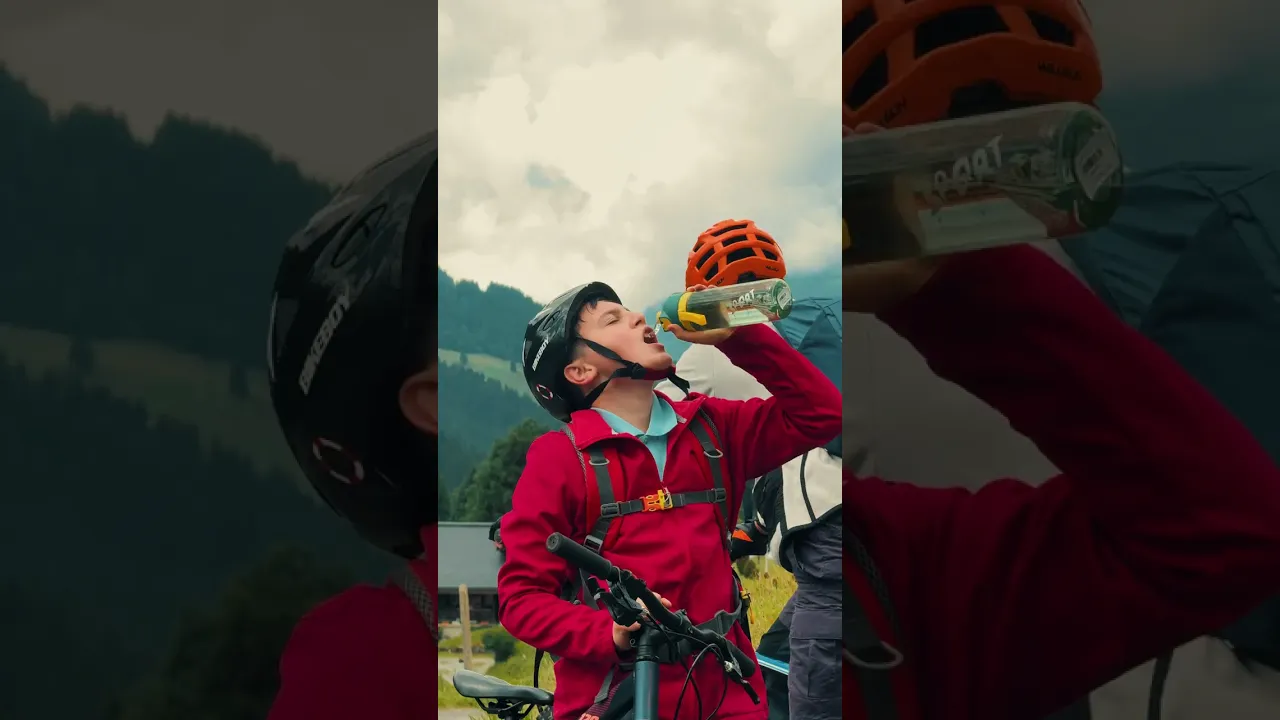
We strongly recommend travel medical insurance and accident coverage. Check whether your plan includes repatriation or mountain-evacuation insurance; many families opt for REGA coverage for air rescue. We brief families on altitude: activities above roughly 1,800–2,000 m need gradual acclimatization and slower exertion on day one. For sun safety we require sunscreen SPF 30+ and a hydration plan—water bottles on every route and scheduled drink breaks.
Practical tips we use in camp:
- Store meds with med staff or locked in cabins for supervised dosing.
- Label all food allergies clearly on arrival.
- Pack a basic sun kit: SPF 30+, lip balm and a wide-brim hat.
- Review the emergency contact card we’ll issue at check-in.
For packing guidance and a detailed checklist, see our what to pack page. We maintain clear evacuation protocols and run regular drills so families can trust our response times and medical readiness.
 Watch on YouTube
Costs, Booking, Visas, Sample Itineraries and Packing Checklist
Pricing, booking & visas
We price programs to fit a range of families and trip types. Typical ranges are:
- Day camps: CHF 100–400 per week.
- Residential youth camps (standard): CHF 600–2,500 per week.
- High-end / specialized international camps: CHF 1,500–3,500+ per week.
Expect additional costs for transport (airport transfers), equipment rental (bikes, climbing gear: CHF 20–100/week typical), lift passes, optional excursions, travel insurance, and visas where applicable. We recommend you budget for lift passes and occasional guided excursions that aren’t included in the base fee.
Book early for August sessions. Popular weeks fill fast; secure spots 6–9 months ahead for international campers and aim to book between December–March. Most programs use a non-refundable deposit plus a tiered refund schedule. We require a non-refundable deposit to hold places. Buy travel insurance that explicitly covers cancellations and medical evacuation — travel insurance for cancellations/evacuation is essential for international travel.
Schengen rules apply for stays in Switzerland. Visa-exempt nationals can stay up to 90 days in 180 days. Other nationals must secure a Schengen visa before travel. For minors you’ll need a valid passport, parental consent letters if the child travels with one parent or guardians, and any visa documentation. We check documents before travel and will flag missing items well in advance.
Sample itineraries — concise outlines you can adapt:
- 1-week sample (multi-activity beginner): arrival and orientation; two half-days of lake swimming and water sports; two full-day hikes with picnic plus a ropes-course afternoon; cultural village visit; departure wrap-up.
- 2-week sample (adventure progression): week one focuses on skill-building (rock climbing basics, mountain biking, map & compass); week two includes an excursion such as via ferrata or a multi-day hut-to-hut hike with an earned overnight; evenings feature language and arts electives.
We handle airport transfers and can advise on best flight arrival windows. For international campers we advise securing flights that allow time for rest on arrival day. If you need extra gear rental or lift passes, arrange these at booking to guarantee availability.
Packing checklist
Pack these essentials exactly as listed for alpine comfort and safety. For fuller guidance see our what to pack page.
- waterproof breathable jacket (Gore-Tex or similar)
- hiking boots (broken-in)
- daypack
- water bottle
- sunscreen SPF 30+
- hat
- swimwear
- layered clothing
- closed-toe shoes
- headlamp
- basic personal meds and prescriptions
- passport copy
- insurance card
- Swiss Type J plug adapter
Include these activity-specific items if your camper owns them or prefers personal fits:
- bike helmet
- harness/climbing shoes if required
- neoprene/wetsuit for cold alpine lakes
- insect repellent
We advise labeling gear and bringing a small medical kit with blister care. Store copies of passports and insurance details separately from originals.
 Watch on YouTube


