

Switzerland Summer Camps Overview
Switzerland gives foreign families a compact, multilingual summer camp setting. The country’s four official languages let campers immerse in structured language programs. Its mountainous terrain and lakes create variable weather and altitude factors that shape outdoor activities. Sessions usually last 1–4 weeks, with two-week runs being common. Camps include day, residential, language-immersion, adventure, water-sports, equestrian, STEM/arts and pre-university options. Key regions include Interlaken, Valais, Lake Geneva, Graubünden, Ticino and Lucerne. Parents should plan visas and Schengen-qualifying insurance, check staff credentials, follow a 9–12 month research and booking schedule, and pack for layered conditions. We’re happy to help with planning questions.
Camp Types, Ages and Sessions
Program Types
- Day camps: Local, daytime programs—common for ages 4–10.
- Residential camps: Board and supervised living—popular for international participants.
- Language-immersion: Intensive classes and activities in one of the country’s languages.
- Adventure and outdoor: Hiking, climbing, ropes courses and mountain activities.
- Water-sports: Sailing, wakeboarding and lake-based programs.
- Equestrian: Horseback riding and stable care.
- STEM and arts: Project-based and creative week(s).
- Pre-university: Academic preparation and introduction to campus life.
Ages, Sessions and Staff Ratios
Sessions most commonly last 1–4 weeks, with two-week sessions very common for international travelers. Typical age brackets and staff-to-camper ratios are:
- Day camps: ages 4–10, staff ratios around 1:6–1:12.
- Residential/language camps: ages 7–17, similar staff ratios but often increased supervision for younger groups.
- Specialized adventure/water-sports: age minimums often at 8+ or 11+, depending on activity risk level.
Locations, Weather and Altitude Considerations
Regions with notable camps: Interlaken (central Alps), Valais (high mountains), Lake Geneva (western lakeside), Graubünden (eastern alpine valleys), Ticino (Italian-speaking south) and Lucerne (central lake and hills). Alpine and lakeside sites offer very different microclimates—expect rapid weather changes and prepare for altitude-related effects in higher camps.
Safety, Health and Documentation
Verify staff credentials: Ask about first-aid and wilderness first responder training, background checks and international child-safeguarding policies. For medical needs, bring labeled prescriptions and a doctor’s note describing dosage instructions.
Visas and insurance: If a visa is required, purchase Schengen-qualifying insurance (coverage minimum €30,000) and confirm visa-processing timelines. Keep routine vaccinations current and check any program-specific health requirements.
Costs and Booking Timeline
Typical costs: Day camp weeks often cost CHF 150–600. International residential programs commonly range from CHF 1,200–4,000+ per week depending on inclusions and prestige. A two-week trip budget for foreign families typically falls between CHF 2,750–8,300, depending on travel, tuition and extras.
Booking timeline: Start researching 9–12 months before your planned arrival. Aim to secure spots with a deposit 4–6 months in advance, especially for popular sessions and language-immersion programs.
Travel and Packing Essentials
- Airports: Zurich, Geneva, Basel and Lugano are the main international entry points.
- Local transport: Swiss Federal Railways (SBB/CFF) covers most regional connections; many camps offer shuttles from major stations.
- Packing checklist: layered clothing, waterproof jacket, hiking boots, comfortable trainers, swimwear, SPF sunscreen, insect repellent, refillable water bottle, labeled medication and a Type J adapter.
Next Steps and Assistance
We’re happy to help with planning questions, timelines, visa guidance or camp selection for specific ages and languages. If you’d like, tell us your child’s age, language goals and preferred region or activity, and we’ll suggest tailored options and a booking timeline.
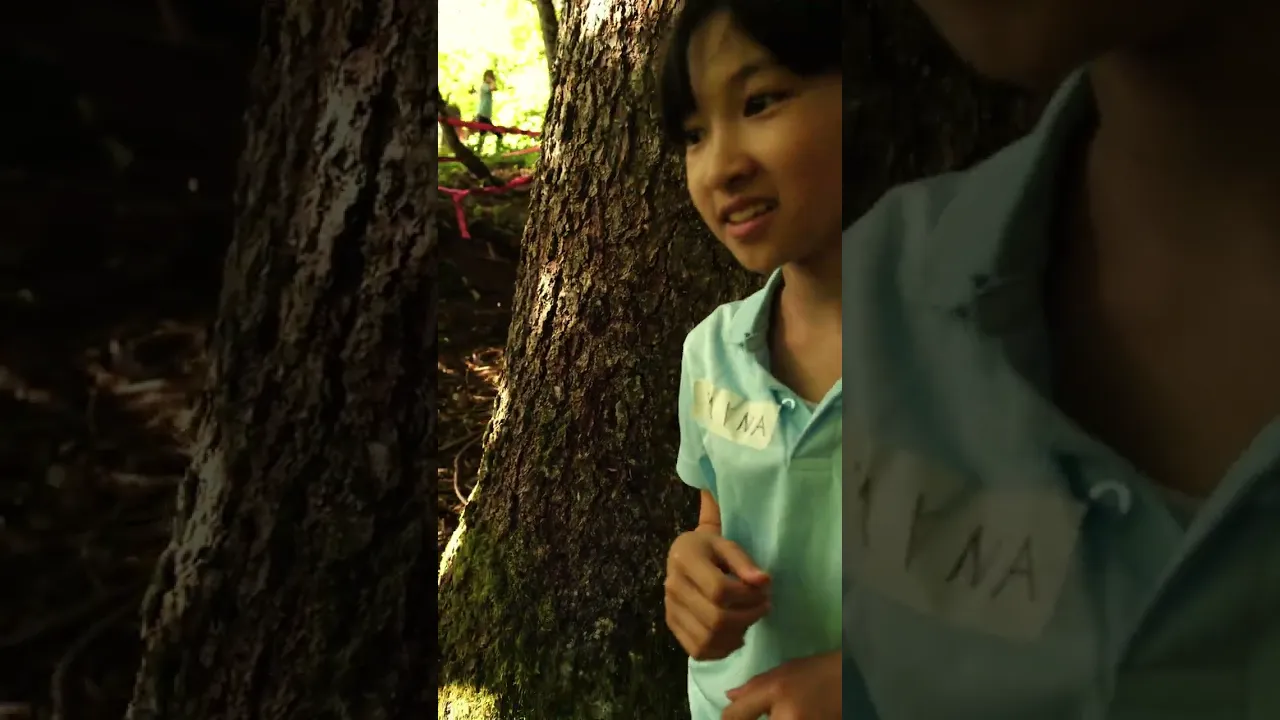 Watch on YouTube
Quick Overview — Why Switzerland for summer camp?
We, at the Young Explorers Club, see Switzerland as an ideal language and activity hub: it has four official languages (German, French, Italian, Romansh), which makes immersion highly effective for children. The country is about 60% mountainous, so expect lake-level daytime temperatures often 20–30°C, with cool mountain mornings and evenings (0–15°C above ~2,000 m) and fast weather shifts. The summer season runs June–August, with peak weeks in mid‑July. Session lengths commonly run 1–4 weeks; two-week sessions are very common, though one-week and 3–4 week options exist. Quick parental tip: pack layers, a waterproof jacket, warm hat and gloves for high-altitude mornings/evenings, and plan gentle acclimatization for activities above ~2,000 m.
Types of camps, ages and where to go
- Day camps: local daytime programs, commonly ages 4–10.
- Residential/boarding camps: overnight full-programs, commonly ages 7–17.
- Language immersion camps: structured language learning with activities, ages 7–17.
- Adventure/sports: hiking, climbing, mountain biking; high-adventure usually 11+ or 13+.
- Water-sports: sailing, canoeing on lakes; often 8+.
- Equestrian: riding and horse care, commonly 7+.
- STEM and arts: project-based learning, often 8+.
- Pre-university/academic prep: for older teens, 14–17.
- Family camps: multigenerational stays, mixed ages.
Typical age groups cluster as 4–6, 7–10, 11–13 and 14–17; many programs start at 6–7. Staff-to-child ratios commonly run 1:6–1:12, with tighter ratios (e.g., 1:6) for specialist activities. Regions to consider include Bernese Oberland/Interlaken for adventure and lakes; Valais (Zermatt/Verbier) for high-mountain work; Lake Geneva/Montreux for bilingual French‑English and sailing; Graubünden (Davos/St. Moritz) for biking and multilingual camps; Ticino for Italian‑speaking, warmer stays; and Lucerne/Central Switzerland for family-friendly access. Accommodation varies: dorm-style chalets, boarding‑school campuses, private chalets or host families; full board is typical and dietary needs can be accommodated on request. For a broad planning checklist and deeper reads on picking programs see our summer camp in Switzerland guide.
Safety, staff credentials and health insurance
Emergency numbers: 112 / 144 / 117 / 118.
- Verify staff qualifications: first‑aid/CPR certification, criminal background checks or police clearance, a written child safeguarding policy and outdoor instructor certifications for specialist activities.
- Supervision ratios: reconfirm and ask for tighter ratios on climbing or water sessions.
- Insurance for visa-required families: Schengen/visa-required families must show travel medical insurance with minimum coverage of €30,000; non‑EU/EEA visitors should carry policies that include emergency evacuation and COVID cover.
- Health and meds: ensure routine immunizations (MMR, DTP, polio) are current, check the Swiss Federal Office of Public Health for advisories, and bring prescription meds in original containers with a physician letter.
- Ask camps for documentation: proof of background checks, sample staff CVs, the emergency/evacuation plan and nearest hospital info, incident statistics and insurance certificates.
Visas and documentation
Schengen 90/180 rule: remember this for short stays. Applicants from visa‑required countries need a Schengen short‑stay (type C) visa; stays over 90 days follow national permit rules.
Typical consular documents include:
- Camp acceptance letter
- Proof of accommodation
- Return flight
- Schengen‑qualifying insurance (€30,000 min)
- Notarized parental consent
- Copies of birth certificate and parents’ passports
- Secure acceptance from the camp first.
- Book flights and buy qualifying insurance.
- Notarize parental consent and collect required documents.
- Apply at the Swiss consulate about 2–3 months before travel.
Costs and booking rhythm
Price bands per week (typical):
- Day camps: CHF 150–600
- Local residential: CHF 600–1,500
- International/elite residential: CHF 1,200–4,000+
Tuition usually covers activities and meals; extras often include transfers, equipment rental, excursions and specialist classes.
Sample 2‑week foreign‑family total (illustrative):
- Tuition CHF 2,000–6,000
- Flights CHF 500–1,500
- Transfers CHF 100–300
- Insurance CHF 50–200
- Pocket money/gear CHF 100–300
Approximate total: CHF 2,750–8,300.
Deposits commonly run 20–50% and cancellation fees rise within 4–8 weeks of start. Recommended booking rhythm:
- Research: 9–12 months out.
- Deposit: 4–6 months out.
- Visas and flights: 2–3 months out.
- Final details: in the last month before travel.
Travel, packing and communications
Fly into Zurich (ZRH), Geneva (GVA), Basel‑Mulhouse (BSL/MLH) or Lugano for regional camps. SBB Swiss Federal Railways is reliable; Zurich–Interlaken ≈ 2 hours, Geneva–Montreux ≈ 1–1.5 hours. Camps often offer paid pickups; alternatives include private shuttles or train + taxi.
Packing checklist (high-priority items):
- Layered clothing
- Waterproof jacket
- Hiking boots and trainers
- Swimwear
- SPF30+ sunscreen and hat
- Insect repellent
- Refillable water bottle
- Small backpack
- Sleepwear
- Labeled prescription meds in original containers with physician letter
- Type J adapter for 230 V
Confirm update/photo routines and whether a local guardian is required; camps can usually arrange guardianship for a fee. After camp, request a program report, photos and a health/incident summary, and ask for pre/post testing for language camps to measure progress.
https://youtu.be/MO0jS3NJzys
This article is part of our complete guide: The Complete Guide to After-School and Holiday Camps in Switzerland


