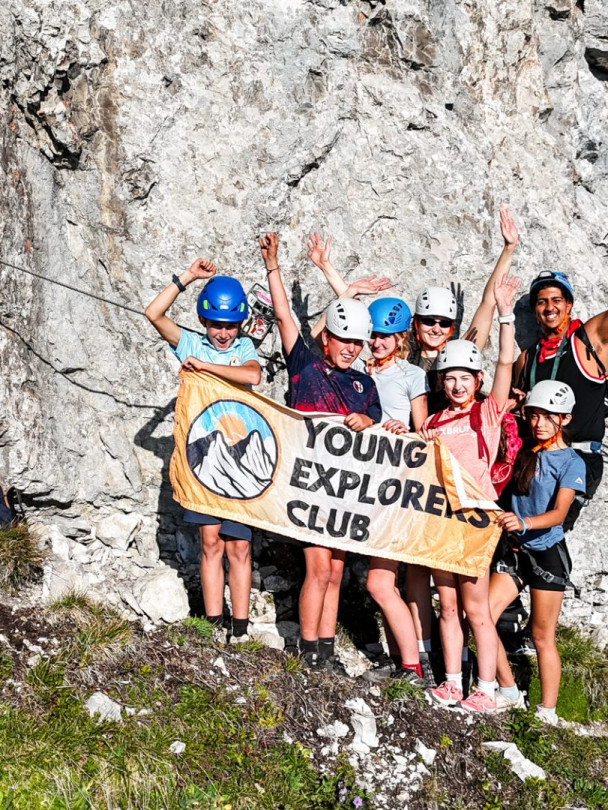
Switzerland as a Living Classroom
Switzerland‘s compact high‑mountain terrain and efficient transport let international summer camps use alpine and lakeside settings as living classrooms. They’re led by certified mountain guides and focus on glacier‑aware ecology, high‑altitude trekking and specialist activities. We pair structured multilingual tuition and activity‑based practice with strict safety and medical standards. Programs include measurable pre/post assessments and command premium pricing that reflects specialist logistics.
Key Takeaways
Alpine classroom
Camps usually sit between 900–2,200 m and let students study alpine plant zones and glacial landforms directly. Excursions above 2,500 m require technical kit and certified guides.
Signature activities
Typical activities include:
- via ferrata
- alpine trekking
- rock climbing
- mountain‑biking
- canyoning
- introductory paragliding
- lake sports
All activities are led by qualified instructors.
Multilingual immersion
Immersion mixes daily life in German, French or Italian with English tuition. Programs often provide 10–20+ hours of structured language practice plus activity‑based speaking time.
Safety and logistics
Typical staff ratios run 1:6–1:12. All staff complete background checks; teams include trained first‑aiders and maintain clear evacuation and communication plans for technical excursions. Swiss healthcare and transport are readily accessible.
Costs and outcomes
Swiss residential camps charge premium rates (mid‑range 2‑week total ~CHF 5,560–5,800). Many programs report CEFR or measurable pre/post assessment gains and include hands‑on sustainability and conservation projects.
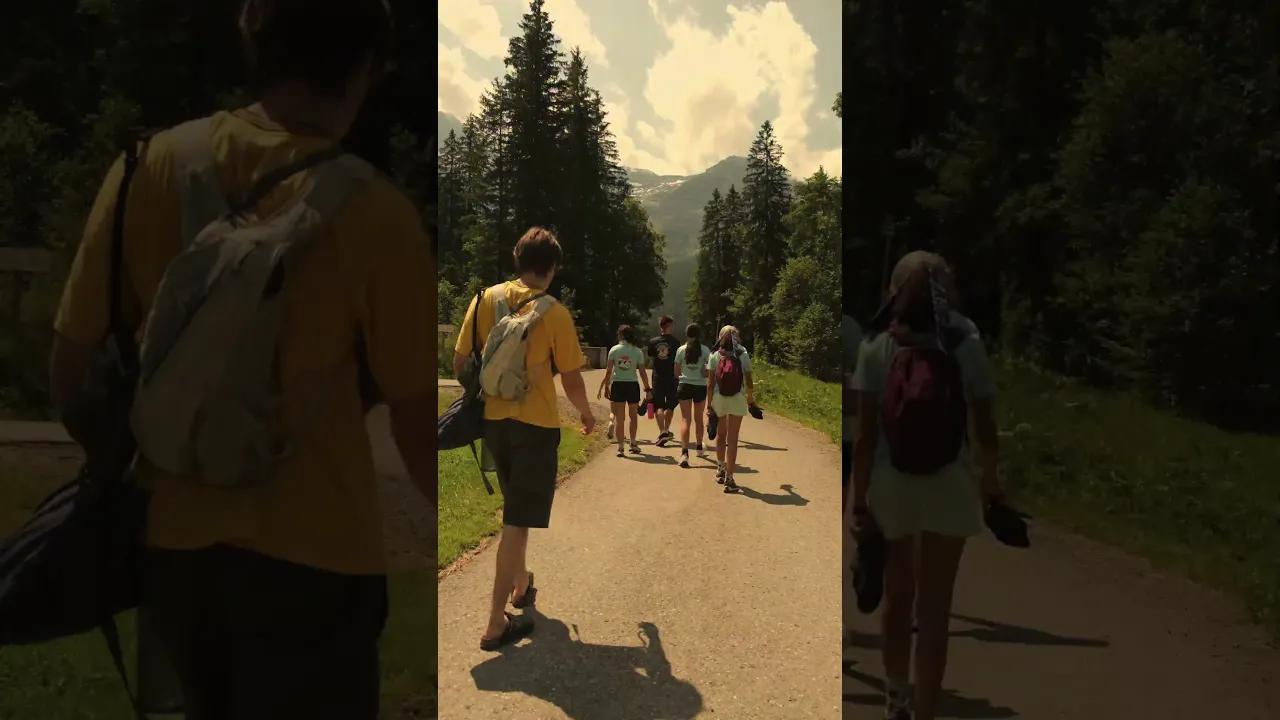 Watch on YouTube
Alpine advantage: Switzerland’s mountains as a classroom
We, at the Young Explorers Club, use Switzerland’s compact geography—about 41,285 km² with over 60% mountainous ground—to create programs you can’t get at lowland camps. The Swiss Alps include major ranges like the Bernese, Pennine and Graian. That high ground gives us glacier views, alpine ecology classrooms and access to professional mountain guides. See how Swiss camps make the most of those features.
Terrain and signature activities
Many of our outdoor sites sit between 900–2,200 m, and typical day hikes usually climb 1,200–2,000 m. We run a mix of alpine-specific activities that lowland or lake-only camps can’t match:
- Via ferrata
- Alpine trekking
- Glacier-aware ecology lessons
- Rock climbing
- Mountain-biking
- Introductory paragliding
- Ropes courses
- Canyoning
- Lake sports (sailing, paddleboarding)
High-altitude sites let campers study alpine plant zones and glacial landforms up close. Summit or glacier excursions above ~2,500 m are strictly guided and require technical gear and certified guides.
Packing, health and logistics
Pack smart for altitude, quick weather changes and long summer days (roughly 16 hours of daylight). Alpine areas are typically 5–15°C cooler than lowlands, and afternoon thunderstorms with rapid temperature drops are common. Schedules use cooler mornings for heavy exertion and reserve afternoons for lower‑risk activities.
Below is a practical packing checklist and altitude-specific notes for campers.
- General essentials for all sites: layered clothing, waterproof shell, high‑factor sunscreen, sunglasses, wide‑brim hat, reusable water bottle or hydration bladder, sturdy hiking footwear, blister care, basic personal first‑aid kit, headlamp, small daypack.
- 900–1,200 m (lower valleys): lightweight layers, light fleece, trail shoes or low‑cut hiking boots, strap sandals or boat shoes for lake use.
- 1,200–2,200 m (typical camp/day hikes): mid‑weight insulating layer (fleece or down), waterproof/windproof shell, mid‑weight hiking boots with ankle support, gaiters for scree, extra socks. Emphasise hydration and layered insulation for sudden drops.
- >2,500 m (glacier/summit outings): technical clothing, mountaineering boots, crampons, helmet, harness and a guided party with a professional mountain guide.
Most summer camps operate below altitudes where serious altitude sickness is common, but we monitor for headache, nausea or unusual fatigue after rapid ascent. Hydration, gradual exertion and alert staff are standard mitigation. We also require emergency communication, clear local evacuation plans and spare clothing for wet weather. For deeper reading on alpine learning, consult our alpine classroom resources.

Multilingual immersion and global classroom: language, culture and diversity
Switzerland’s four official languages — German, French, Italian and Romansh — shape how we design language days and activities. We run bilingual and multilingual daily life so language learning happens naturally, not just in a classroom. Swiss camps blend English tuition with the local national language to give every camper practical exposure; many institutes schedule 10–20 hours a week of structured language work alongside activity-based practice.
We, at the Young Explorers Club, build programs that pair formal lessons with real-world moments. Language classes usually target ages 8–17 and focus on speaking and listening. Tutors break sessions into short, focused blocks and follow them with guided hikes, water sports or excursions where students must use the language in context. This mix accelerates confidence far faster than drills alone. Communal dining, cabin life and casual peer interactions provide continuous, low-pressure practice. Local staff and excursion leaders amplify authenticity by using the national language throughout daily routines.
International composition matters for the global classroom. Camper mixes commonly vary between 30–70% international guests depending on the camp and season. Typical feeder countries include the following:
- United Kingdom
- Russia
- Gulf states
- United States
- China
- Hong Kong
- EU nations
Age ranges normally span 7–17, with some camps offering junior groups (5–7) and leadership tracks (16–18+). That breadth creates daily micro-exchanges where English often serves as lingua franca while national languages are practiced in smaller groups.
Typical week and program structure
Below is a sample week model that shows how language and activities integrate for steady progress:
- 15 hours of language tuition: for example, 3 sessions of 1.5 hours Monday–Friday focusing on conversation, grammar in use and pronunciation practice.
- 20 hours of outdoor, sport and cultural activities: guided hikes, water sports, museum visits and town excursions that force real-time communication.
- Evenings reserved for arts, intercultural nights and social language practice to reinforce daytime learning.
- Ongoing informal practice: communal meals, cabin routines and paired projects that create daily speaking opportunities.
I recommend looking for camps that report outcomes with pre/post assessments or CEFR-based feedback if you want measurable progress. Many providers publish such reports, but any specific CEFR gains or nationality breakdowns should be quoted only when the camp releases them explicitly. Visit Swiss camps to see how cultural diversity and structured immersion combine into a true global classroom.

Program types, daily schedules, staff ratios and learning outcomes
We, at the Young Explorers Club, structure programs to fit different goals and timeframes. Options commonly run from 1–4 week standard sessions. Intensive and leadership courses usually span 2–6 weeks. We also run 1‑week tasters and extended 8–12 week sessions for families who want deeper immersion. Language and academic tracks typically deliver 10–25 tuition hours per week, depending on whether the focus is immersion or exam preparation.
Curriculum tracks are clear and focused. We group offerings into:
- Language immersion (ability-graded classes and workshops)
- STEAM and robotics (hands-on labs and maker sessions)
- Leadership and outdoor education (expeditions, ropework, team challenges)
- Arts and performance (production, visual arts, music)
- University-prep and academic revision (subject clinics and mock testing)
Daily structure balances tuition, activity time and rest so learning stays energised. A typical day looks like this: 09:00–12:00 language or skills classes split into ability groups; 12:00–13:30 lunch and rest; 13:30–17:30 outdoor, sport and adventure sessions — think hiking, climbing and water sports; 18:30–20:00 dinner and downtime; 20:00–22:00 evening social or cultural session such as performances and intercultural nights. We emphasize regular reflection periods to convert experience into learning.
Staffing and supervision are designed to keep groups safe and effective. Ratios commonly sit between 1:6 and 1:12, with the lower end used for younger children and higher supervision levels for technical activities. Everyone on-site passes background checks (DBS, police checks or equivalents) and we maintain a team of trained first‑aiders. Certified instructors lead specialist sessions, and we contract locally accredited mountain guides for exposed alpine routes. Our hiring standards reflect best practice described by experts on the importance of experienced international teams — see our note on international staff for detail.
Excursions and overnights follow documented risk assessments and emergency plans. Staff carry radios, phones and GPS, and we conduct regular headcounts. We only run technical excursions with professional guides or certified instructors and require signed parental consents and medical forms before departure. Camps keep clear evacuation routes and maintain proximity to medical services whenever possible. These operational choices reflect what makes Swiss camps particularly strong for mountain and lake programs, and why why Switzerland remains a top destination for young adventurers.
Assessment and outcomes are measured and reported where assessment protocols exist. Language and academic progress should be backed by pre/post assessments before a CEFR level or certificate is quoted. When programs include leadership or skill badges, we document competencies and provide assessment feedback. Parents receive concise reports with evidence of progress, plus recommendations for follow-up learning.
Sample 2‑week residential timetable (balanced language, adventure, rest)
Below is a week‑by‑week snapshot we commonly use for a 2‑week stay:
- Week 1:
- Mon–Fri mornings: language classes (approx. 15 tuition hours)
- Mon afternoon: orientation hike and safety briefing
- Tue afternoon: climbing/via ferrata skill session
- Wed afternoon: lake activities (sailing/kayak)
- Thu afternoon: mountain‑bike trail and maintenance workshop
- Fri afternoon: culture trip to a local village or market
- Evenings: intercultural games, language cafés, movie night
- Week 2:
- Mon–Fri mornings: focused language workshops or elective STEAM sessions (10–15 hours)
- Mon/Tue afternoons: multi‑day trek prep and 1‑day trek (overnight depending on program)
- Wed afternoon: ropes course or canyoning
- Thu afternoon: leadership challenge and community eco‑project
- Fri: assessment, awards and farewell social
- Evenings: talent show, reflection groups and rest night
We align each element to measurable aims so parents and participants see clear outcomes after any chosen program. For more on how natural settings enhance learning, consult our page on Swiss nature and explore the broader global camp experience we promote.

Safety, healthcare, transport connections and seasonality
Safety and healthcare
We, at the young explorers club, prioritise safety above all. Switzerland consistently ranks among the top 10–20 safest countries, and its emergency response and healthcare access are reliable.
National health expenditure runs around 11–12% of GDP, which translates into widely available services and well‑staffed hospitals. I recommend parents carry international medical insurance and keep immunisation records current; many camps require both before arrival. I also ask families to submit prescription details and written consent for medication administration so on-site staff can act quickly.
Travel, transfers and seasonality
Below I list the practical travel facts and a short arrival checklist to make planning easier.
- Primary international airports: Zurich (ZRH), Geneva (GVA), Basel (BSL/MUL).
- Swiss Federal Railways (SBB) punctuality typically falls in roughly the 85–95% range depending on the metric and year.
- Schengen rule for short stays: 90 days in any 180‑day period applies for visa‑exempt nationals. Visa‑required nationals must apply in advance and often need a camp booking or letter of invitation.
Sample travel and transfer times I commonly quote:
- Zurich → Interlaken: ~2 hours 30 minutes by train
- Geneva → Montreux/Lavaux: ~1–2 hours by train
- Airport → mountain valley transfers: commonly 1.5–3 hours depending on location
Arrival logistics mini‑guide:
- Choose the airport nearest your camp and book arrival to match standard transfer timetables.
- Typical onward steps: main airport → SBB train to a regional hub → local shuttle or private transfer to the camp.
- Many camps offer organised meet‑and‑greet and shuttle services; pre‑book and confirm arrival times with camp staff.
Parental checklist I expect before arrival:
- International medical insurance details and policy number
- Up‑to‑date immunisation records and any medical documentation
- Emergency contact list (home and on‑site) and copies of passport/ID
- Prescription meds in original packaging with dosing instructions and written consent
- Signed consent forms/medical release and notes on allergies or chronic conditions
I advise booking travel with some buffer time. Mountain weather can change quickly; summer camps run late June–early September with peak activity in July–August, and programs include indoor alternatives for thunderstorms. If you’re deciding on an international option, see this page about our international summer camp for more on transfers and support.

Costs, budgeting and sustainability credentials
Price ranges and booking tips
We, at the Young Explorers Club, list typical Swiss summer camp fees so you can plan realistically. Day camps commonly run CHF 200–600 per week. Residential or boarding international camps usually start around CHF 1,000 and can exceed CHF 6,000 per week. Full multi‑week sessions often fall between CHF 3,000 and CHF 15,000+ for the whole term. Currency throughout is Swiss Francs (CHF).
Confirm current fees with each camp before you book. Swiss camps tend to be premium-priced because of high local living costs, specialist mountain logistics (qualified guides and safety equipment), and small group ratios. I recommend you compare dates, included activities and staff ratios rather than just headline prices. For broader context on why families choose Swiss programs, read why Swiss camps in our overview: why Swiss camps.
Budget example and typical extra costs
Below are the common add-ons to factor into any estimate and a mid‑range 2‑week sample budget to model your own numbers.
Typical additional costs to expect:
- Transfers: CHF 50–500 depending on distance and transport mode
- International travel insurance: variable, often CHF 80–200 for two weeks
- Equipment rental (boots, helmet, bike): CHF 80–200
- Optional excursions and pocket money: CHF 200+
- Visa application fees (if applicable): variable
Sample mid‑range budget for a 2‑week residential stay:
- Tuition & board (2 weeks at CHF 2,500/week): CHF 5,000
- Return airport transfers (round trip, mid‑distance): CHF 200
- Travel insurance (2 weeks): CHF 80–200
- Equipment rental (for 2 weeks): CHF 80–200
- Miscellaneous pocket money/optional excursions: CHF 200
Estimated total (mid‑range): ~CHF 5,560–5,800
Double-check transfer quotes and insurance premiums when you finalise plans. I also suggest asking camps what they include in the tuition line (meals, laundry, night supervision, specialist instructors) so you can spot hidden extras.
Sustainability and environmental education
Many Swiss camps integrate hands‑on environmental learning with practical green credentials. We include eco‑education modules such as leave‑no‑trace training, renewable‑energy workshops, local conservation projects, and lessons on alpine biodiversity and glacier retreat. Camps that reference glacier trends may cite the Swiss Glacier Monitoring Network (GLAMOS) for data and context.
I urge parents to request specifics: which conservation partners a camp works with, dates for any project outcomes, and measurable impacts. Look for programmes that show recent partner reports or dated project summaries. Camps that communicate both day‑to‑day sustainability practices (waste sorting, low‑impact excursions) and longer projects (trail restoration, species surveys) usually deliver stronger learning outcomes.
https://youtu.be/LjKCu4dq0Zs
Notable locations, sample itineraries and verified outcomes
Representative locations and travel
We, at the Young Explorers Club, run programs across classic alpine and lakeside venues and focus on clear activity specialisms.
Below are representative locations, sample activities and nearest airports with typical travel times:
-
Verbier / Valais — Alpine sports and mountain‑biking: downhill/technical mountain‑biking, via ferrata and rock climbing, alpine trekking. Nearest airports: Geneva (GVA) or Sion (regional). Typical travel time: GVA → Verbier ~2–2.5 hours (train + transfer).
-
Interlaken / Bernese Oberland — Adventure and water sports: paragliding introductions, canyoning, lake activities on Thun or Brienz (sailing/kayak). Nearest airport: Zurich (ZRH). Typical travel time: ZRH → Interlaken ~2.5 hours.
-
Montreux / Lavaux / Lake Geneva region — French immersion, watersports and culture: French classes, sailing/paddleboarding, vineyard and cultural excursions in Lavaux. Nearest airport: Geneva (GVA). Typical travel time: GVA → Montreux ~1–1.5 hours. For insight on how Swiss programmes use the landscape as a classroom see Swiss nature.
-
Zermatt / Cervinia area — High‑mountain and glacier education: guided glacier walks, high‑mountain awareness, basic mountaineering introductions. Nearest airports: Geneva (GVA) or Zurich (ZRH) with longer regional transfers. Typical travel time: GVA/ZRH → Zermatt ~3–4 hours (train + shuttle).
-
Zurich / Zug region — Language and academic bootcamps with easy transport: intensive language or academic bootcamps, day trips to nearby lakes, urban cultural visits. Nearest airport: Zurich (ZRH). Typical travel time: ZRH → Zug ~30–45 minutes.
Sample itineraries and verified outcomes
Interlaken day — I schedule a morning kayak on Lake Brienz, follow with a picnic lunch, run an afternoon via ferrata or low‑grade climb, and finish with an evening language café. The day balances skill practice, safety briefings and free social time.
Montreux day — I start with a French class, head out for afternoon sailing on Lake Geneva, add a late‑afternoon vineyard walk in Lavaux, and close with a local music or arts evening.
Verbier sample day — Morning bike‑skills session, midday technique drills on trails, guided rock‑climbing or via ferrata in the afternoon, and equipment debriefs before dinner.
I rely on measurable outcomes to prove impact. Camps sometimes publish nationality mix, CEFR pre/post results, staff credentials and staff‑to‑camper ratios. I only quote figures that camps publish and date them clearly; for example format guidance: “Camp X reported participants from 35 countries in summer 2023” or “Camp Y reported average CEFR improvement of one sublevel after a 3‑week intensive course, Summer 2022.” Always check the camp’s own report for those numbers and staff CVs before you book.
Practical checks I recommend:
-
Ask for sample daily schedules and risk assessments.
-
Request CEFR pre/post summaries for language courses.
-
Confirm staff qualifications and the staff:camper ratio for adventure activities.
-
Compare transfer times against flight arrival windows to reduce missed connections.
For a broader view of what makes these programmes distinctive, read our overview of Swiss camps.
https://youtu.be/V0k0kCVlY_w