
TL;DR:
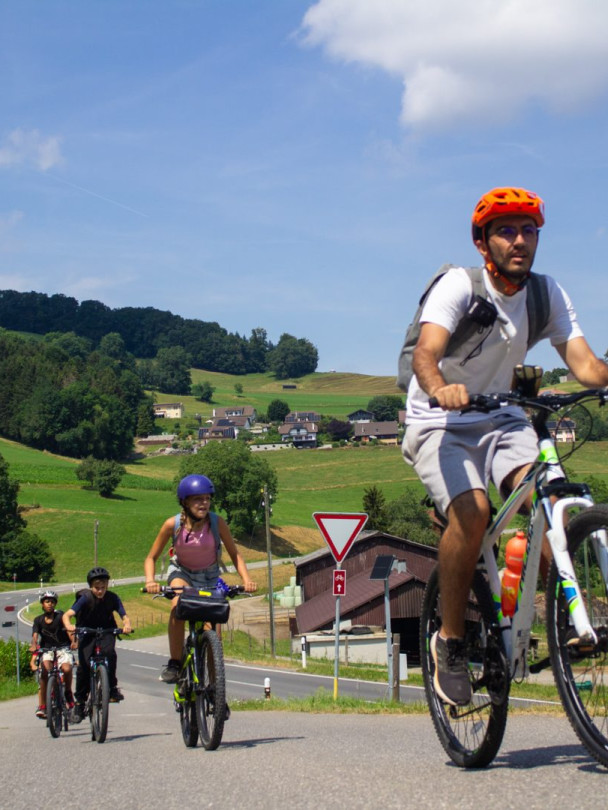
- Research shows outdoor education enhances children’s confidence, teamwork, resilience, and motivation without harming academic progress. Well-designed camps promote personal growth through experiential learning, diversity, and trauma-informed practices, benefiting most children aged 8 to 17. Parents should vet programs for supportive methodologies, reflection components, and multicultural engagement to ensure lasting developmental impacts.
Choosing a summer camp for your child can feel paralyzing. The options multiply every year, promises blur together, and glossy brochures rarely tell you what your child will actually gain. What cuts through the noise is science. Research consistently shows that outdoor education, the kind built around real challenges in real environments, produces measurable gains in confidence, teamwork, emotional health, and even academic motivation. This article breaks down what the evidence says, what to watch out for, and how to identify the programs that deliver lasting results.
Key Takeaways
| Point | Details |
|---|---|
| Outdoor education fuels growth | Children gain confidence, teamwork, social and academic gains from outdoor adventure experiences. |
| Health benefits are substantial | Regular outdoor activity at camp improves sleep, fitness, and overall well-being. |
| Bilingual camps offer extra advantages | Immersion programs build language skills alongside cultural awareness and leadership abilities. |
| Choose camps with supportive methods | Seek research-based, nurturing camps; avoid those with punitive or coercive approaches. |
| Informed decisions lead to lasting impact | Parents who focus on camp methodology and staff philosophy ensure the best outcomes for their children. |
Why experiential outdoor education matters
Not all learning happens in a classroom, and for many children, the most transformative growth happens when they’re outside, moving, and solving problems with peers. Experiential outdoor education puts kids in situations that demand quick thinking, trust, and resilience. The lessons don’t feel like lessons. They feel like adventures. That distinction matters enormously for development.
Research published in MDPI shows that outdoor education programs, including summer camps, significantly enhance well-being and motivation to learn without negatively impacting academic outcomes in reading or math. Parents often worry that a summer spent hiking, climbing, or paddling is time away from academic progress. The evidence says otherwise.
Beyond individual development, the group dynamics created in outdoor settings build something most classrooms can’t replicate. According to the Annie E. Casey Foundation, youth in nature-based programs develop stronger personal, social, academic, and economic skills than their peers in non-outdoor programs, with camps accounting for 70% of those positive outcomes.
Here’s what sets these programs apart from typical enrichment activities:
- Self-regulation: Managing fear, frustration, and excitement in real time
- Motivation: Tasks feel meaningful because they have real consequences
- Teamwork: Problems require genuine collaboration, not just cooperation exercises
- Adaptability: Weather, terrain, and unpredictability teach flexible thinking
“Children learn best when they are active participants in their education, not passive observers. Outdoor environments naturally create those conditions.”
If you want to understand the framework behind these results, the adventure education guide at Young Explorers Club explains exactly how this philosophy translates into structured camp programs.
Bilingual and multicultural camps add another layer. When children navigate challenges in a second language alongside peers from different countries, the social and cognitive demands increase in ways that accelerate growth across multiple domains simultaneously.
Top benefits of outdoor education at summer camps
The benefits children gain from well-structured outdoor camps go well beyond fitness or fresh air. Researchers have identified measurable improvements across mental, emotional, social, and academic dimensions, and many of these gains persist long after the summer ends.
A major study examining structured nature experiences (SNEs) found that summer camps specifically support MESH competencies, meaning mental, emotional, and social health, with both short-term and long-term gains. The children who benefited most were those with social or behavioral challenges, suggesting that outdoor camps can be particularly powerful for kids who struggle in traditional settings.
Separate research published in Leisure Sciences found that nature-based outdoor adventures improve adolescents’ sense of calm, mastery, and authenticity, their connection to the natural world, and their ability to interact socially and build group cohesion, all compared to indoor arts activities.
| Benefit area | What changes | Who benefits most |
|---|---|---|
| Mental resilience | Stress management, calm under pressure | All ages, especially teens |
| Emotional growth | Confidence, sense of mastery | Kids with lower self-esteem |
| Social health | Teamwork, empathy, group cohesion | Neurodiverse or socially anxious youth |
| Academic motivation | Curiosity, engagement, persistence | At-risk or disengaged learners |
Breaking this down further, here are the most consistent outcomes parents report and researchers confirm:
- Confidence: Completing a challenging climb or surviving a night in the wilderness creates genuine, earned self-belief
- Problem-solving: Teams must communicate and strategize, not just follow instructions
- Emotional vocabulary: Processing fear, excitement, and disappointment in a supported group builds emotional intelligence
- Peer connection: Bonds formed through shared challenge are often deeper and longer-lasting than those formed in social settings
For a detailed look at the kinds of activities that produce these results, the top outdoor activities for kids page at Young Explorers Club is worth exploring. You can also read specifically about adventure’s role in teen resilience for a deeper look at how challenge-based programs work for older kids.
“The best outdoor camps don’t just put kids in nature. They design experiences that stretch comfort zones, require reflection, and build a real sense of accomplishment.”
Physical health and well-being: The hidden advantages
Mental and social gains get most of the attention in outdoor education research. But the physical benefits are equally compelling, and for many families, they’re what tips the decision.

A 2025 study published in Frontiers in Sports and Active Living found that frequent hiking predicts higher health-related quality of life and better sleep routines specifically in children aged 8 to 12. That’s a meaningful finding for parents whose children struggle with sleep, screen-heavy evenings, or irregular routines during school breaks.
| Activity type | Physical benefit | Age group | Frequency needed |
|---|---|---|---|
| Hiking | Improved HRQoL, better sleep | 8-12 years | Multiple times per week |
| Climbing | Strength, coordination, spatial awareness | 10+ years | Regular sessions |
| Multisport activities | Cardiovascular health, endurance | 8-17 years | Daily during camp |
| Swimming and water sports | Full-body fitness, breath control | All ages | Frequent exposure |
The connection between outdoor physical activity and sleep quality is especially worth noting. Many parents find that their children come home from outdoor camps sleeping better, eating more heartily, and showing less irritability. This isn’t a coincidence. Physical exertion in natural environments, combined with reduced screen time, helps reset circadian rhythms (the body’s internal clock for sleep-wake cycles) in ways that indoor activity simply can’t match.
Active outdoor time also helps children separate from their devices in a natural, non-confrontational way. There’s no negotiating screen time when you’re mid-hike or learning to belay a climbing rope.
Key physical benefits of quality outdoor camps include:
- Cardiovascular fitness: Daily activity sustained over weeks, not just a single gym class
- Motor skill development: Climbing, biking, and swimming all build coordination
- Sleep quality: Physical fatigue plus fresh air is a reliable formula for deep, restorative rest
- Reduced sedentary behavior: Camp naturally replaces screen time with movement
Pro Tip: When comparing camps, ask specifically how many hours per day kids are physically active outdoors. A strong program will typically offer 4 to 6 hours of outdoor activity daily, not just a morning hike sandwiched between indoor sessions.
For more on this, the mental health benefits for kids page covers how physical activity in nature contributes to emotional regulation and well-being together.
Bilingual and multicultural camps: Boosting language and global skills
A bilingual outdoor camp is a genuinely different experience from a standard adventure program, and the difference shows up in measurable ways. When children use a second language not in a classroom drill but during a rope course, a mountain hike, or a team cooking challenge, they absorb language faster and more deeply. Context creates memory.
Bilingual sleepaway camps integrate language immersion with adventure for cultural understanding, personal growth, and teamwork in ways that classroom-only programs can’t replicate. The combination is powerful: language learning reinforces social bonding, and social bonding drives motivation to communicate.
Here’s how bilingual adventure camps compare to single-language programs across key dimensions:
| Factor | Single-language camp | Bilingual/multicultural camp |
|---|---|---|
| Language development | None (unless dedicated course) | Immersive, natural, daily |
| Cultural adaptability | Limited | High, through peer interaction |
| Global collaboration skills | Moderate | Strong, through diverse teams |
| Cognitive flexibility | Standard | Enhanced by dual-language processing |
Beyond language, multicultural camps expose children to different problem-solving styles, communication norms, and approaches to teamwork. A child from the United States working alongside a peer from France, Japan, or Brazil on a survival challenge will encounter perspectives they’ve never considered. That exposure builds adaptability and empathy in concrete, experiential ways.
Specific benefits of bilingual adventure programs include:
- Accelerated language acquisition: Real-world use cements vocabulary and grammar faster than instruction alone
- Cross-cultural communication: Navigating misunderstandings in a low-stakes adventure context builds patience and clarity
- Self-confidence in a new language: Successfully communicating during a physical challenge creates strong, positive associations with the second language
- Friendships across cultures: International peer bonds often translate to lifelong global networks
Pro Tip: Look for camps where the bilingual element is woven into daily activities, not offered as an add-on language class. True immersion happens when kids need the language to accomplish something they actually care about.
The bilingual camp advantages page explores this integration in detail, and language camps skills boost explains specifically how bilingual environments strengthen broader life skills alongside linguistic ones.
Potential challenges and important cautions
Outdoor education is not automatically good for every child in every program. The research is clear that program quality varies enormously, and some approaches can actually cause harm, particularly for vulnerable or trauma-affected youth.
A 2025 analysis published in Springer found that coercive wilderness therapy practices conflict with trauma-informed care and may harm vulnerable youth by over-emphasizing personal responsibility in ways that ignore underlying needs. This is a real concern in a market where “wilderness therapy” can mean anything from a nurturing growth experience to a punitive behavior modification program.
Separate research from the Youth Endowment Fund found that wilderness therapy shows mixed effects on behaviors, with some positive outcomes on attitudes and reoffending but effects that are not always sustained, and results that vary significantly based on program design and participant demographics.
What this means practically is that the adventure camp label tells you very little on its own. Here’s what to look for and what to avoid:
Green flags in a quality outdoor program:
- Staff trained in trauma-informed care and positive behavioral support
- Clear reflection and debrief practices built into activities (not just action)
- Genuine choice and autonomy for participants
- Transparent policies on group management and conflict resolution
- Strong supervision ratios, typically no more than 8 to 10 kids per counselor
Red flags to watch for:
- Heavy emphasis on “breaking down” resistance or challenging behavior through punishment
- Vague or evasive answers about staff qualifications
- Programs marketed primarily as a solution for difficult teens
- Absence of structured reflection or emotional processing components
- Isolation of children from family contact without clear therapeutic rationale
Pro Tip: Ask the camp director directly: “How do your staff handle a child who refuses to participate?” The answer reveals everything about the program’s philosophy. A good camp will describe choices, empathy, and support. A coercive one will describe consequences.
The guide on choosing the right camp offers a practical checklist for parents who want to vet programs thoroughly before booking.
Our take: What most parents miss when evaluating outdoor education
Here’s the honest truth: most parents spend more time researching which kayak to buy than which camp to send their child to. They look at photos, read a few reviews, check the activity list, and book. That approach misses what actually predicts a transformative experience.
Facilities don’t build character. Methodologies do. The question to ask is not “What activities does this camp offer?” but “How does this camp structure learning?” The difference between a rope course that builds genuine confidence and one that’s just a fun afternoon is in the debrief, the reflection, and the way staff connect the experience to the child’s understanding of themselves.
The most effective programs use what educational theorists call the experiential learning cycle, sometimes called the Kolb cycle, which moves children through doing, reflecting, connecting, and applying. Activity-based learning (ABL) at its best is not about keeping kids busy outdoors. It’s about creating moments that children return to, think about, and use as reference points for who they are.
We’ve also noticed that parents underestimate the value of mixed-gender and multicultural peer groups. Children who work through challenges alongside peers who are different from them, in gender, nationality, language, and background, develop emotional intelligence that simply doesn’t emerge in homogeneous groups. It’s not about exposure for its own sake. It’s about having to genuinely navigate real differences to accomplish something together.
Camps that shape global citizens do this intentionally. They design the team composition, the challenges, and the reflection spaces to maximize the developmental value of diversity. That’s the kind of methodology that separates a memorable summer from a genuinely life-shaping one.
The camps that deliver the most future-ready skills are almost always the ones that combine language immersion, adventure challenge, and structured reflection in a multicultural setting. That combination is not accidental. It’s a deliberate design choice by programs that take child development seriously.
Find the ideal outdoor summer camp experience
Everything you’ve read points toward one practical next step: finding a program that actually delivers on these principles. Young Explorers Club offers outdoor summer camps in Switzerland built around exactly the experiential, bilingual, adventure-driven model the research supports. Activities like mountain biking, climbing, survival skills, and multisport challenges are designed not just for fun but for genuine personal development.
If you’re looking for a camp that combines cultural immersion with outdoor challenge, the international camps for global skills program brings together children from around the world in a structured, supportive environment designed to build collaboration and confidence. For families interested in adding real language development to the adventure experience, the language immersion camps option integrates daily language learning with outdoor activity in a way that makes both more effective. Download the brochure, browse the FAQ, or register online to take the next step toward your child’s best summer yet.
Recommended
- How Outdoor Personal Development Builds Confident Kids
- Top Outdoor Activities For Children: Adventure, Growth, Language
- Why Outdoor Learning Environments Are Key For Summer Camp Growth
- Why Mountain Environments Boost Learning In Children | Young Explorers Club Switzerland
- Why Magical Videos Make Holiday Memories Last for Children — WonderLens | WonderLens