

TL;DR:
- Family adventure trips promote teamwork, communication, resilience, and self-confidence in children.
- Shared challenges during outdoor activities lead to lasting behavioral and emotional growth.
- Proper planning, guided experiences, and intentional goals maximize developmental benefits while minimizing risk.
Most parents plan family trips with one goal in mind: making memories. That’s a worthy goal, but it significantly undersells what adventure travel actually does for children. Family adventure trips promote teamwork and communication through shared challenges, and the research behind this is surprisingly robust. For parents of children aged 8 to 17, understanding the real developmental payoff changes everything about how you plan, choose, and reflect on family experiences. This guide breaks down the science, separates myth from reality, and gives you practical tools to design adventures that genuinely help your child grow.
Key Takeaways
| Point | Details |
|---|---|
| Proven growth benefits | Adventure trips measurably improve kids’ resilience, self-confidence, and family bonds. |
| Teamwork and communication | Shared challenges lead to better communication and mutual respect within families. |
| Risk must be balanced | Focus on age-appropriate, guided experiences to ensure safety and maximize development. |
| Start small and reflect | Begin with manageable trips and use structured reflection to build lasting impact. |
The science-backed benefits of family adventure trips
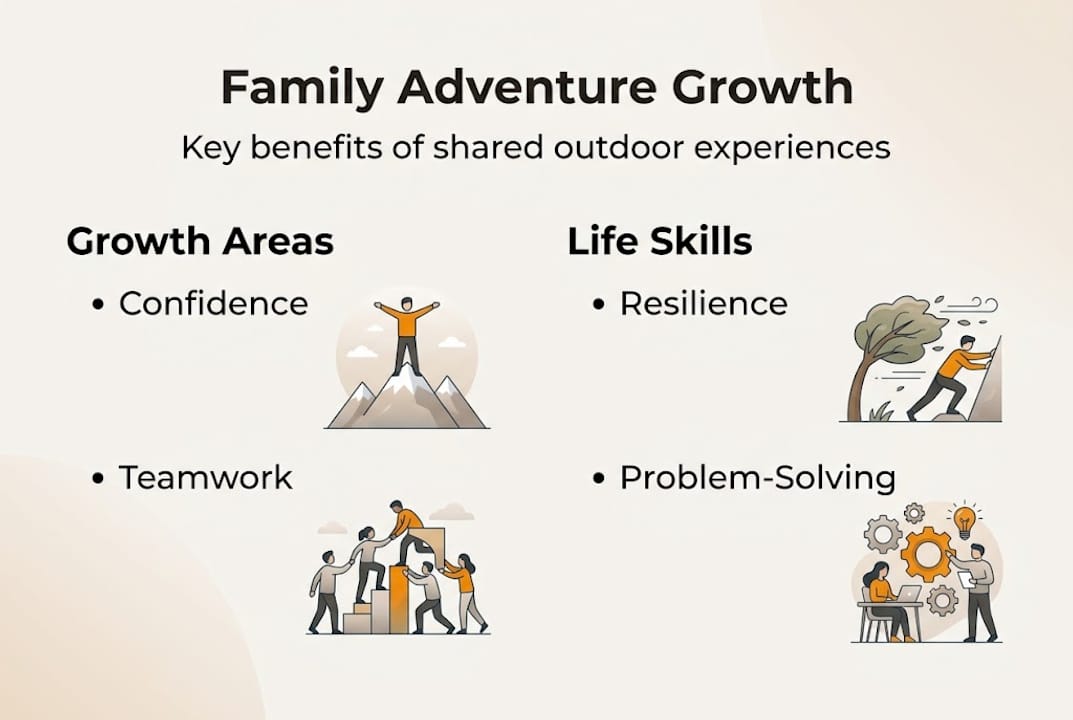
With the misconception dispelled, let’s look at what research reveals about the real developmental payoff of adventure trips. Most families return from a hiking week or a canoe trip feeling closer, but they rarely stop to ask why. The answer lies in what researchers call shared challenge experiences, moments where every family member faces uncertainty together and has to adapt.
The numbers are striking. Studies tracking family behavior before and after adventure travel found a 40% increase in positive communication patterns and a 35% increase in mutual appreciation. Those are not small changes. That’s the kind of shift family therapists spend months trying to achieve in a clinical setting.
| Benefit area | Reported improvement |
|---|---|
| Positive communication | +40% |
| Mutual appreciation | +35% |
| Child self-confidence | Measurable gain |
| Cognitive curiosity | Increased post-trip |
Here’s what drives those numbers. When children face a genuine challenge, whether navigating a trail, learning to belay on a climbing wall, or building a campfire, their brains are forced into an active problem-solving mode. Novelty and mild risk trigger higher engagement, which reinforces memory formation and creative thinking. Exploring outdoor activities for youths gives a clear picture of how structured outdoor exposure translates into this kind of cognitive activation.
The benefits that matter most include:
- Resilience building through repeated exposure to managed challenges
- Self-efficacy (a child’s belief in their own ability to succeed) growing with each skill mastered
- Communication skills sharpened by real-time problem solving with family members
- Cognitive creativity sparked by novel environments and unpredictable situations
Critically, these gains don’t evaporate once you’re back home. Research consistently shows that children carry improved communication habits and confidence into school settings and friendships. If you want to understand the broader framework behind these outcomes, adventure education for parents is worth reading before your next trip.
“Adventure experiences create lasting behavioral shifts, not just temporary feel-good moments.” The data supports this in ways that casual observation alone would never reveal.
How adventure builds resilience and life skills
Understanding the broad developmental benefits, now explore why adventure particularly excels at building essential life skills. The short answer is that adventure creates real stakes. You can’t fake finishing a long trail. You either make it to the top or you don’t, and that honest feedback loop is exactly what children need.
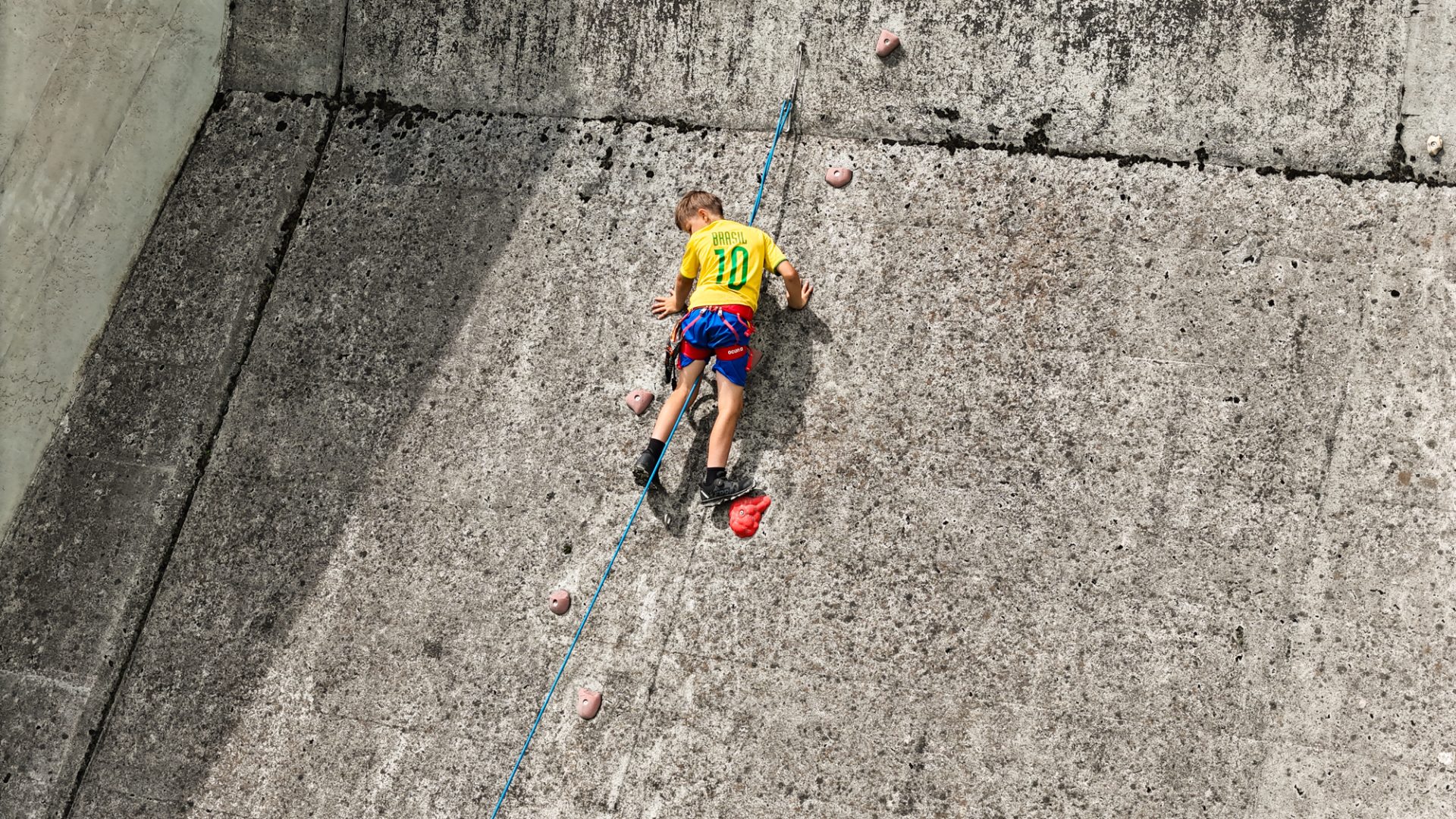
Research confirms measurable increases in self-efficacy in children aged 8 to 17 following adventure experiences. Self-efficacy is one of the strongest predictors of academic performance, social confidence, and long-term mental health, which makes this finding particularly significant. Studies in the Frontiers in Sports and Active Living journal also link wellbeing from adventure activities to reduced anxiety and improved emotional regulation in adolescents.
| Approach | What it builds | Timeframe |
|---|---|---|
| Solo challenge (e.g., day hike alone) | Independence, self-trust | Short term |
| Team challenge (e.g., group climb) | Communication, cooperation | Medium term |
| Graduated challenge series | Resilience, grit, confidence | Long term |
The most effective adventures follow an action-reflection-feedback cycle. The child does something hard, then talks about what happened, what worked, and what they would change. That debrief step, often skipped by families, is where the real learning gets locked in. A brief conversation around the campfire can double the developmental impact of an activity.
Key strategies for building life skills through adventure:
- Start with manageable challenges like short day hikes before moving to overnight treks
- Use team-based activities where every child has a role and responsibility
- Ask open-ended questions after each activity rather than evaluating performance
- Celebrate effort and problem-solving, not just completion
Pro Tip: Keep a simple adventure journal where your child writes one thing they struggled with and one thing they figured out after each activity. This habit alone can dramatically deepen the learning impact over a multi-day trip.
For a deeper look at how this plays out for older kids, adventure shapes teen growth is a practical resource, and confidence through adventure walks through specific strategies families can use.
Common misconceptions and risks: Getting it right
While adventure trips bring big benefits, there are also hazards when families get the balance wrong. The biggest mistake is confusing intensity with impact. A punishing 20-mile hike does not automatically produce more growth than a well-planned 8-mile trail with the right debrief. In fact, pushing too hard often creates the opposite effect.
Experts warn that high-risk adventures driven by parental ambition can be damaging and in extreme cases even harmful to a child’s relationship with outdoor activity entirely. When the trip becomes about a parent’s goals rather than a child’s experience, motivation collapses.
Common misconceptions families should avoid:
- Harder always means better. Developmentally appropriate challenge, not extreme difficulty, produces the most growth.
- Adventure equals danger. Real adventure education is about managed risk, not reckless exposure.
- Kids will just figure it out. Without guided reflection and support, many challenging experiences create anxiety rather than confidence.
- Social media worthy = educationally worthy. Staging or forcing experiences for photos prioritizes appearance over genuine growth.
- One big trip is enough. Consistent, repeated exposure to challenge builds far more resilience than a single dramatic event.
“The goal is growth, not a highlight reel. Children flourish when adventure is child-centered and built on trust.”
Pro Tip: Before booking any adventure, sit down with your child and ask them what they’re curious about and what feels exciting versus scary. Their answers will tell you exactly where the right challenge level sits. This simple step prevents most of the common pitfalls.
Understanding why adventure activities matter for kids’ growth also helps parents reframe what success looks like on a trip. It’s not the summit. It’s the moment your child chooses to keep going when things get hard.
How to choose and design the right adventure for your family
Having separated myth from reality, here’s how parents can take action and design safe, meaningful adventures. The planning phase matters as much as the experience itself. Families who spend 20 minutes discussing goals and expectations before a trip consistently report better outcomes.
Guided programs and scaffolded challenges maximize safety and growth for children by providing expert oversight and age-appropriate progressions that self-planned trips often miss. This doesn’t mean you need a professional for every outing, but it does mean structure matters.
How to assess readiness:
- Gauge your child’s current fitness level honestly, not aspirationally
- Identify genuine interests (some kids love water, others love heights; both are valid)
- Note any past experiences with challenge and how they responded emotionally
- Check group dynamics, especially if siblings are involved
Step-by-step planning approach:
- Choose one activity your child has expressed genuine interest in
- Start with a beginner-level version of that activity (a short climb before a big one)
- Book through a guided or structured program for the first attempt
- Build in reflection time each evening to talk about what happened
- Gradually increase difficulty only when your child signals readiness, not when you feel impatient
- Document the experience together through photos, journaling, or drawing
Pro Tip: The guide to youth adventure camps is one of the best starting points for parents who want a structured framework without reinventing the wheel. For international options, the youth adventure tourism guide covers what to look for in programs abroad. If your family has unique needs, custom camps for families explains how tailored experiences can be designed around your child’s specific goals.
Why intentional adventure matters more than ever
You’re now prepared with practical steps and insight, but what seasoned guides and experienced parents consistently report often surprises people. The most transformative family adventures we’ve seen aren’t the most extreme ones. They’re the ones where parents showed up with curiosity instead of an agenda.
Intentionality is the real engine of growth in adventure travel. When a family sets a shared goal before a trip, when parents model flexibility after a plan changes and the trail gets muddy, when everyone agrees that participation matters more than performance, something fundamentally different happens. Children internalize the message that challenges are worth facing and that the people they love will face them alongside them.
Caution: treating adventure as a performance or a resume builder for college applications corrodes intrinsic motivation faster than almost anything else. We’ve observed teens who were enthusiastic hikers at 12 become deeply resistant to outdoor activity by 15, largely because the trips stopped being theirs.
The educational philosophy behind the best youth adventure programs reflects this same principle: growth comes from within, and the adult’s role is to create conditions, not to manufacture outcomes. Every family’s adventure looks different. The best journeys are designed around the child’s age, authentic interests, and readiness, not around what looks impressive.
Explore family adventures with Young Explorers Club
If you’re ready to put these insights into action, consider these experiential learning options for families.
Young Explorers Club offers professionally guided programs in Switzerland that combine risk-managed adventure, teamwork, and genuine fun in ways that directly support the developmental outcomes described in this article.
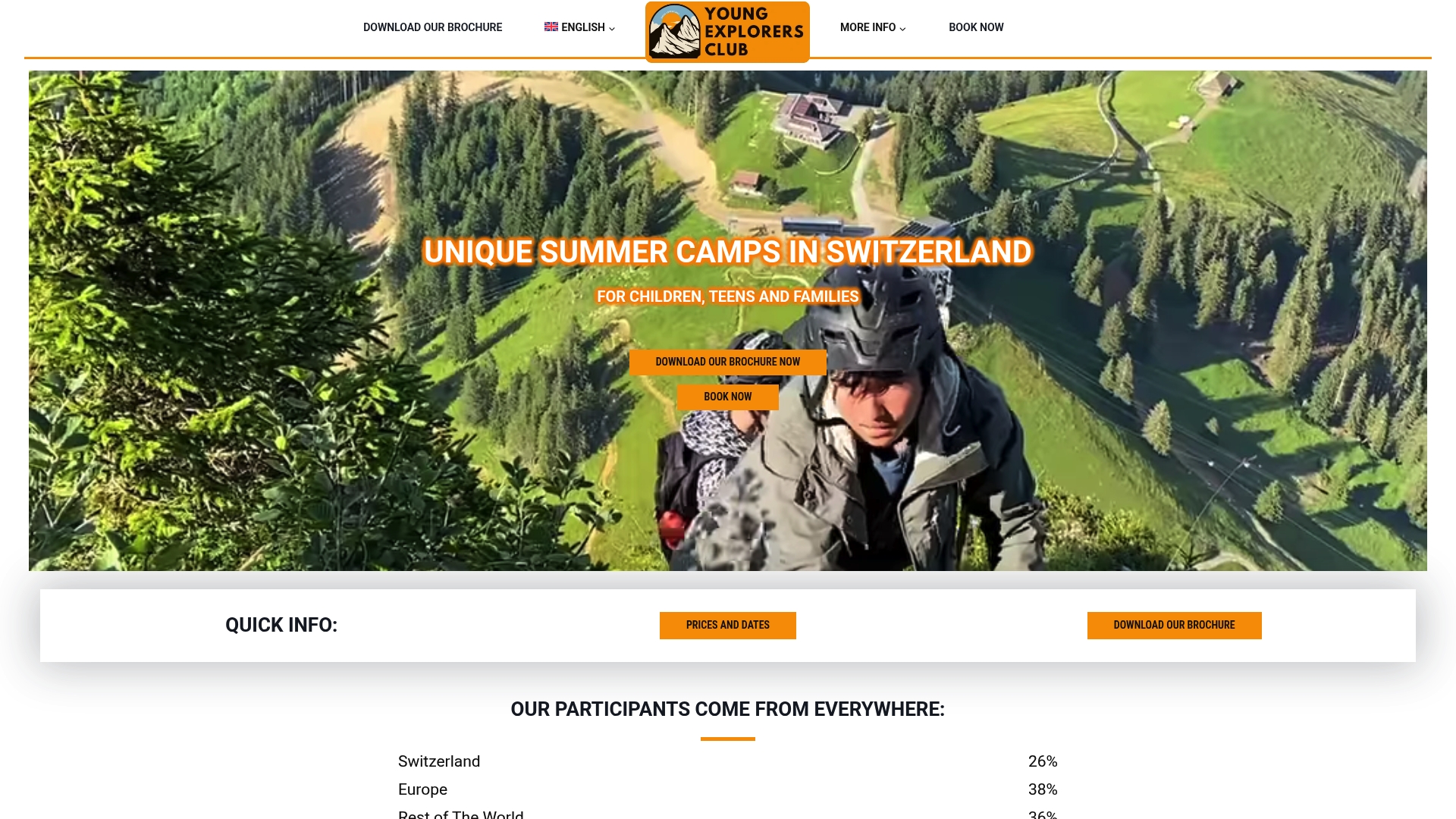
Parents can explore weekly activities for families for ongoing skill-building, or choose a seasonal teen summer camp designed specifically for adolescents aged 8 to 17. Every program is built around age-appropriate challenge, guided reflection, and a bilingual environment that adds a unique layer of growth. Visit Young Explorers Club to browse options, download the brochure, and find the right fit for your family’s next meaningful journey.
Recommended
- Why Singaporean Families Value Risk-managed Adventure | Young Explorers Club Switzerland
- How Adventure Shapes Teen Growth And Resilience
- Why Family Camps Matter For Kids’ Growth And Adventure
- Why Adventure Activities Matter For Kids’ Growth
- Disney Magic erleben: Die wahre Bedeutung für Familienreisen – 2000-reisen


